.png)


Gridscope Monitering System
About
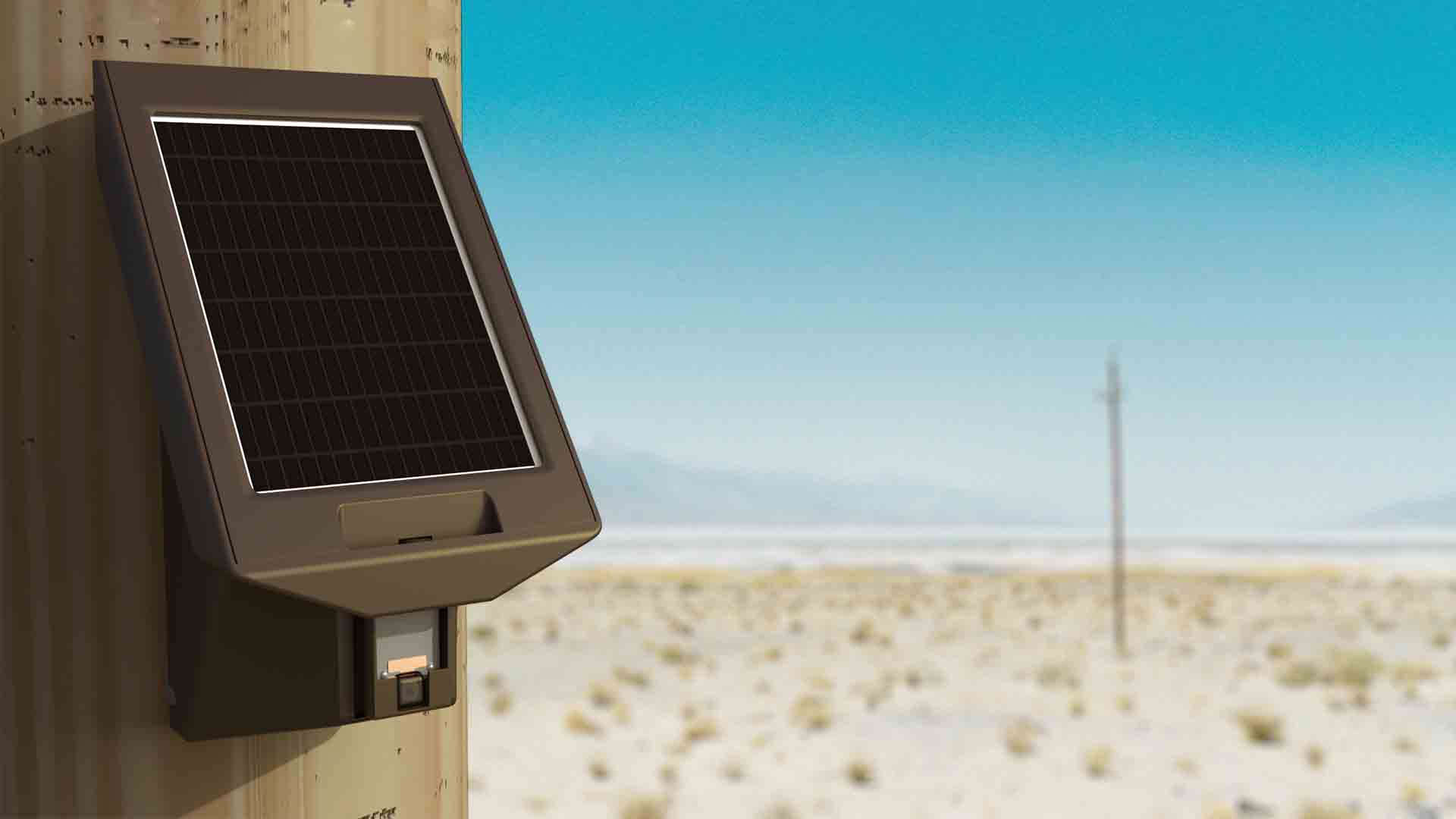
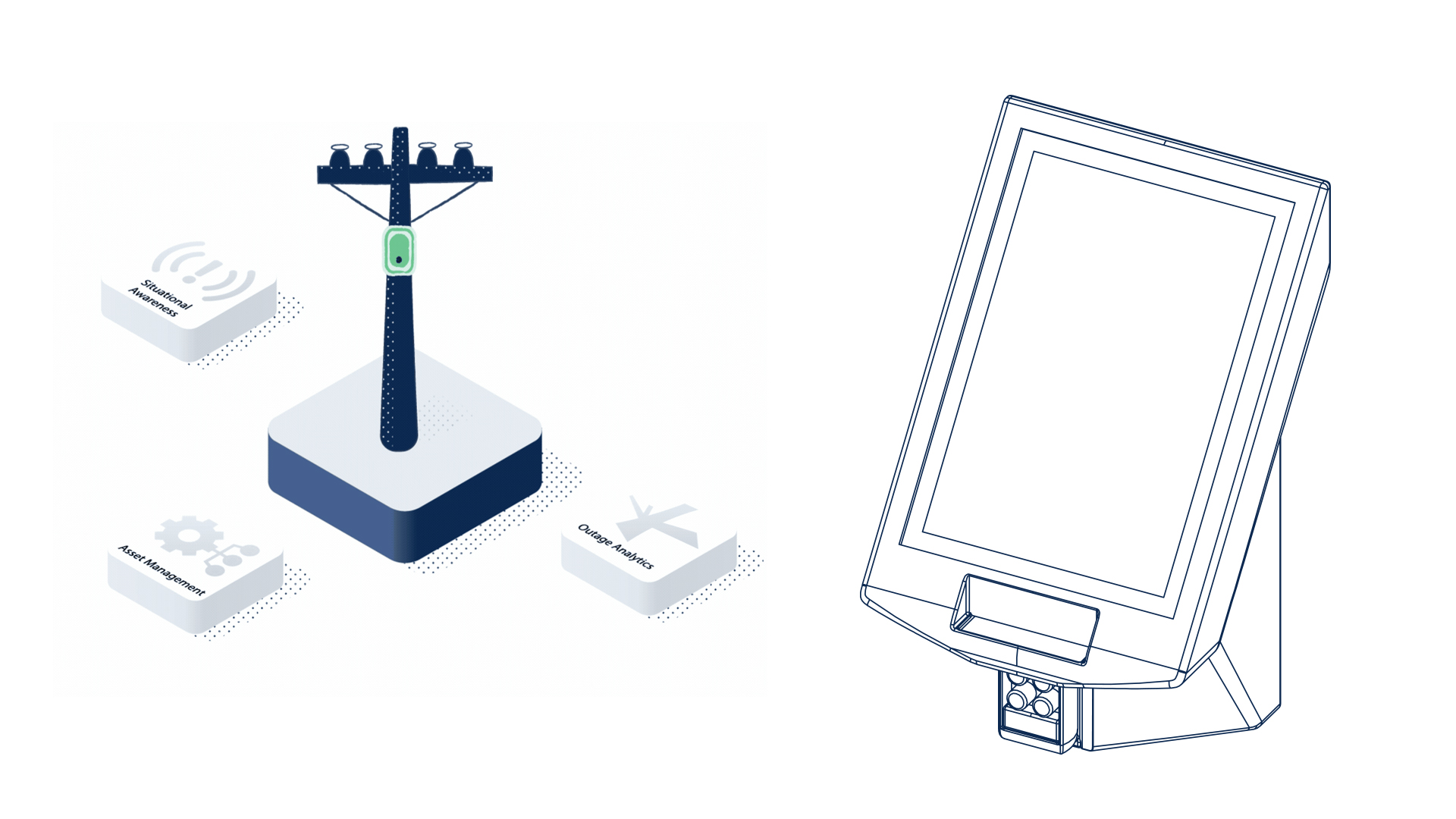
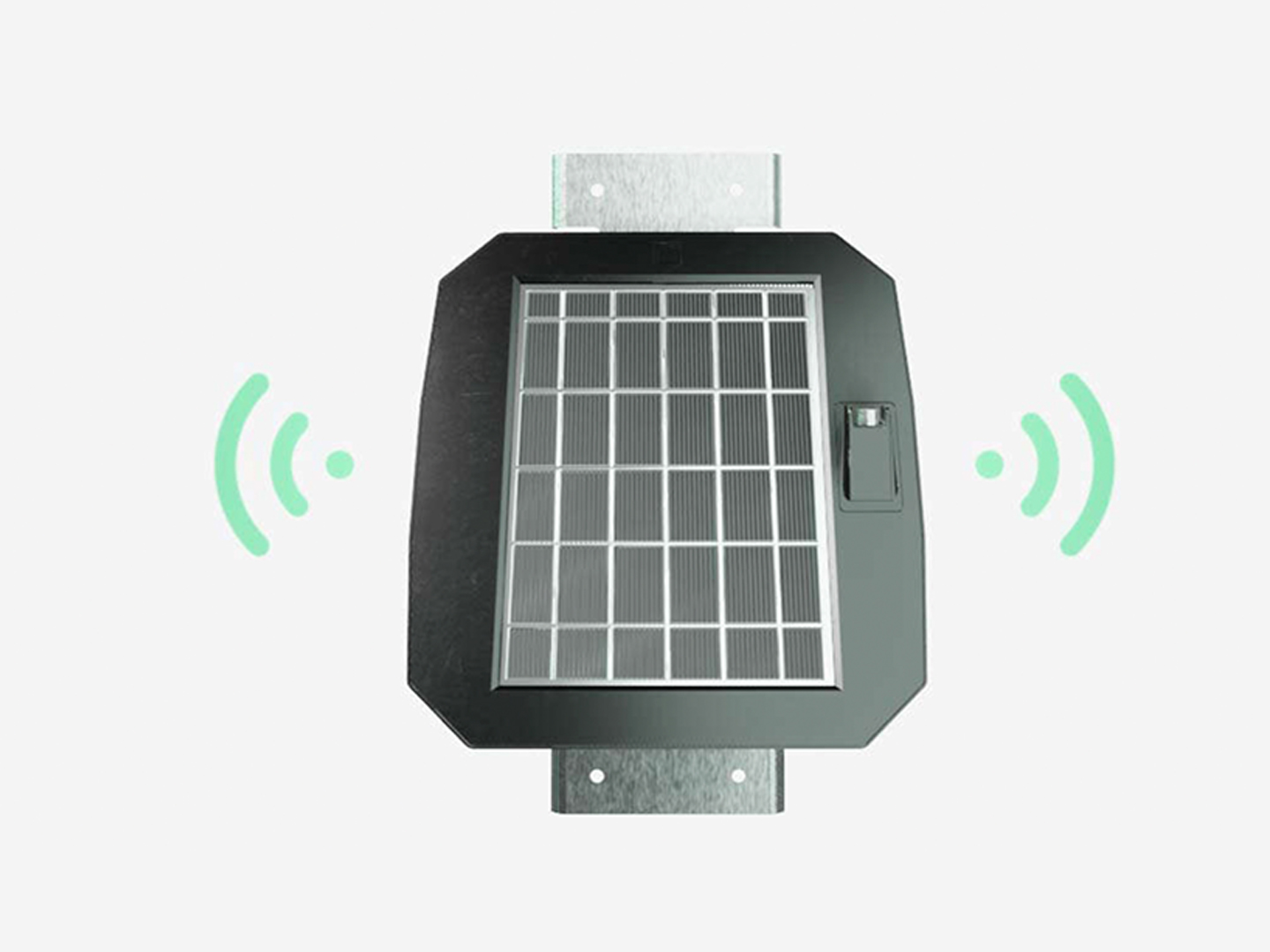
Speck Design was approached by Gridware to assist in creating prototypes for their revolutionary Gridscope system. Gridscope is a technology mounted onto a power pole to identify irregularities using sensitive sensors. Speck Design provided industrial design, mechanical engineering, and manufacturing support, enabling Gridware to test their equipment in real-world situations, identify key changes for the market, and develop the final version of Gridscope.
Awards & Recognition


Mechanical Engineering
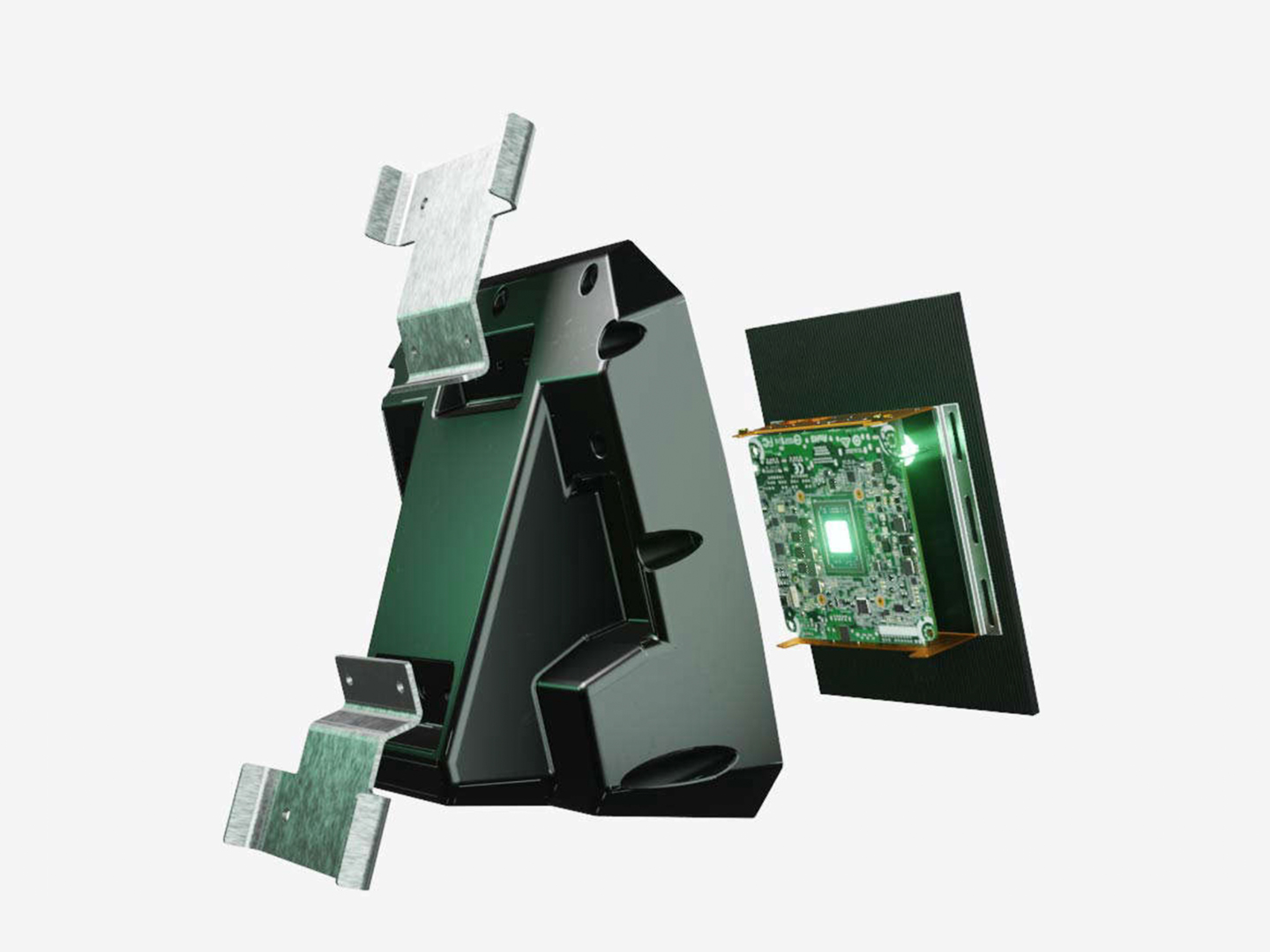
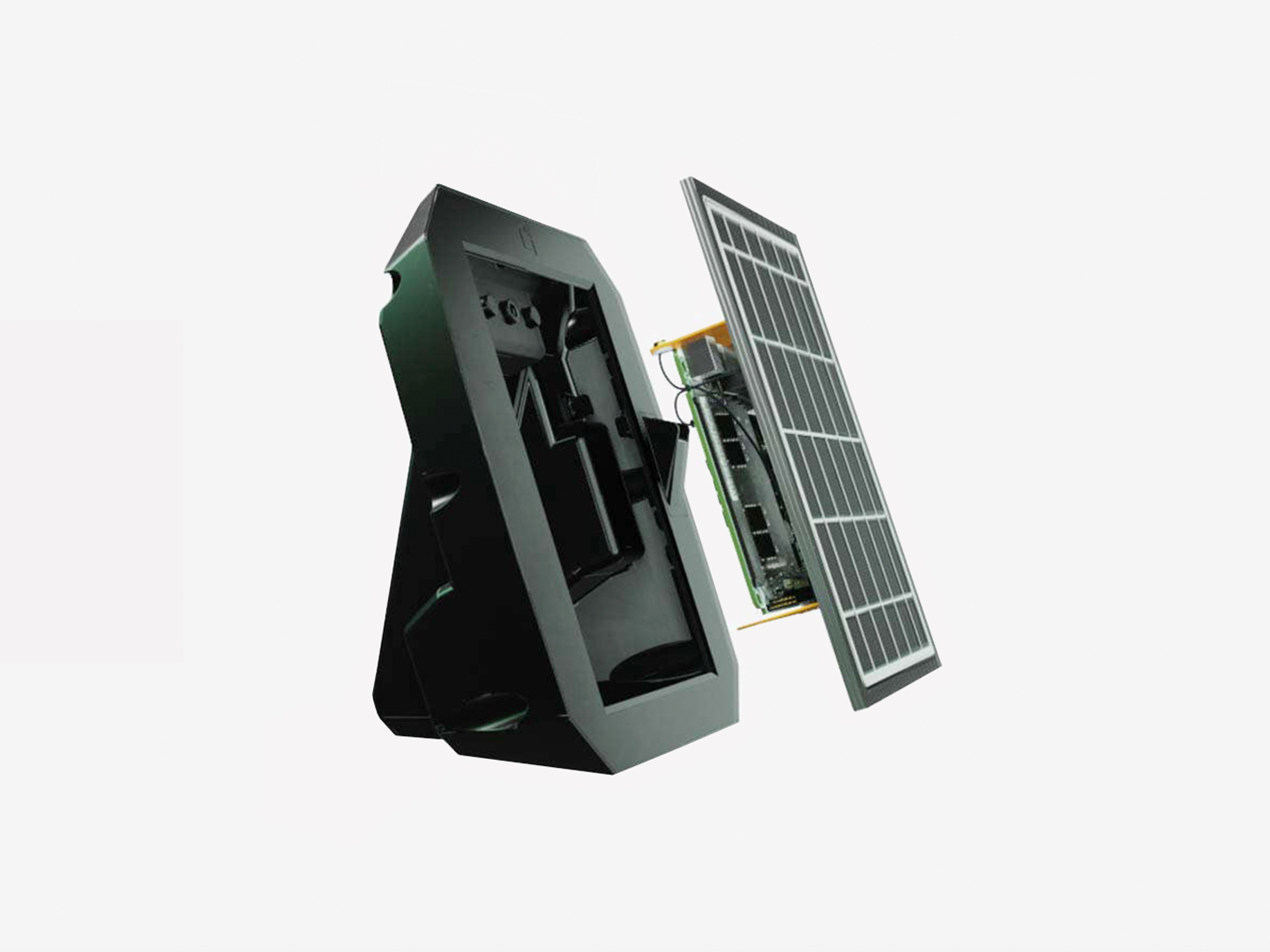
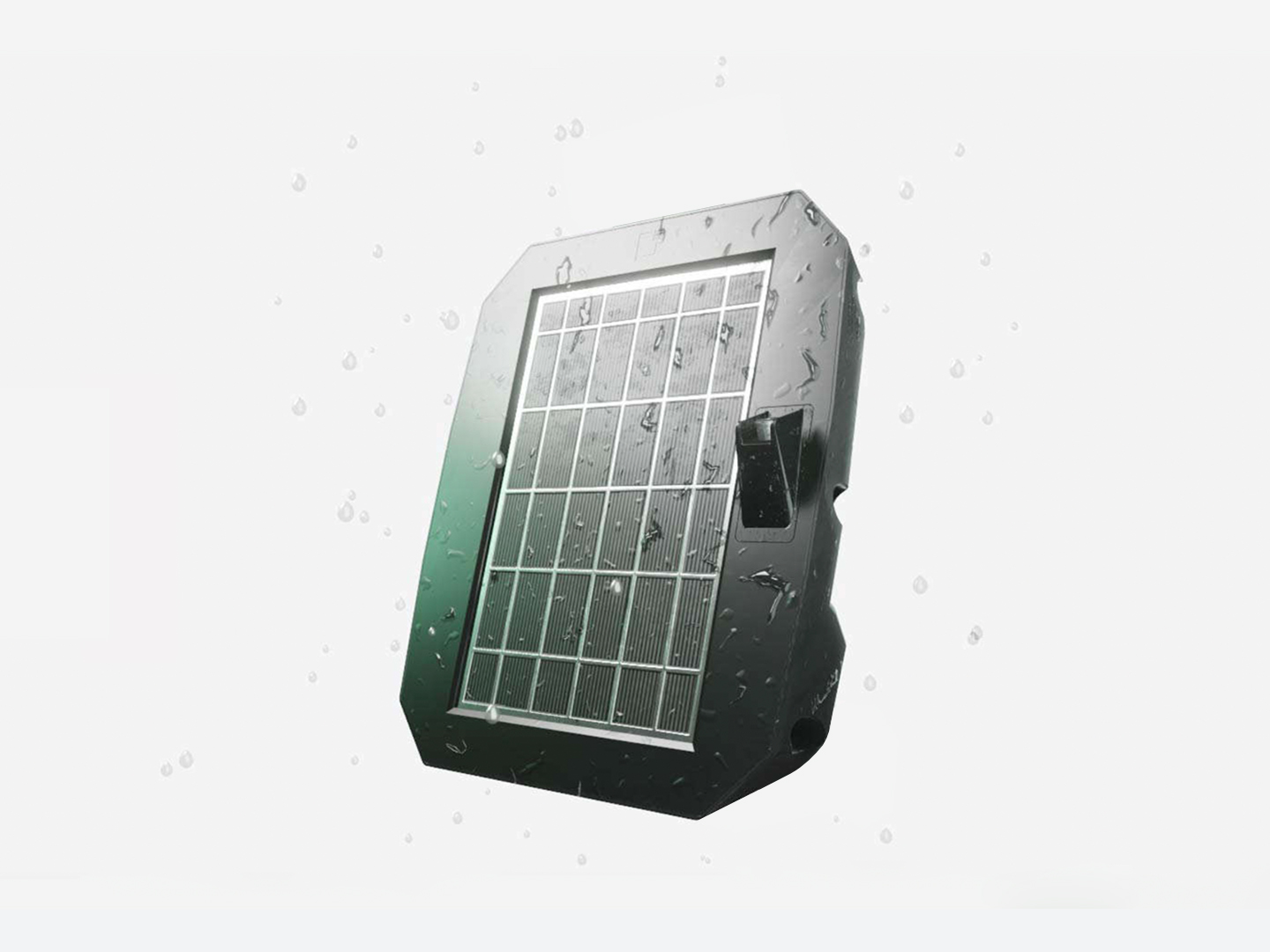
The Gridscope project presented unique mechanical engineering challenges, requiring a design resilient enough to endure harsh outdoor environments. Our team focused on material selection and structural integrity to develop a tool capable of withstanding extreme weather conditions, potential fires, and other environmental stresses.We engaged in rigorous prototyping and testing to ensure the Gridscope was not only durable but also maintained a user-friendly and ergonomic design. Our objective was to create a product that was as practical in use as it was robust in construction, resulting in a tool that provided reliable and efficient performance in the challenging settings where it would be deployed.
NPI & Product
The New Product Introduction (NPI) and product phase for Gridscope involved meticulous planning and management to bring the prototype to a market-ready stage. This included streamlining manufacturing processes, selecting suitable manufacturing partners, and implementing quality control measures to meet the high standards set by Gridware.Our team worked diligently to ensure that the manufacturing process was both cost-effective and capable of producing a high-quality final product. The collaboration with manufacturing partners was key to adapting the prototype for mass production while maintaining the design integrity and functionality envisioned in the earlier stages of development.
Industrial Design
The industrial design phase for Gridscope was marked by a blend of creativity and technical precision. Utilizing advanced CAD software, our team developed detailed 3D models of the Gridscope system, which were essential for visualizing the final product and planning the prototyping process.Rapid prototyping techniques were employed to swiftly produce physical models for testing and evaluation. This approach allowed us to iterate quickly, refining the design based on real-world feedback and ensuring the final product was not only aesthetically pleasing but also practical and durable. Our focus was on creating a design that was both innovative and aligned with Gridware's functional requirements.