.png)



About
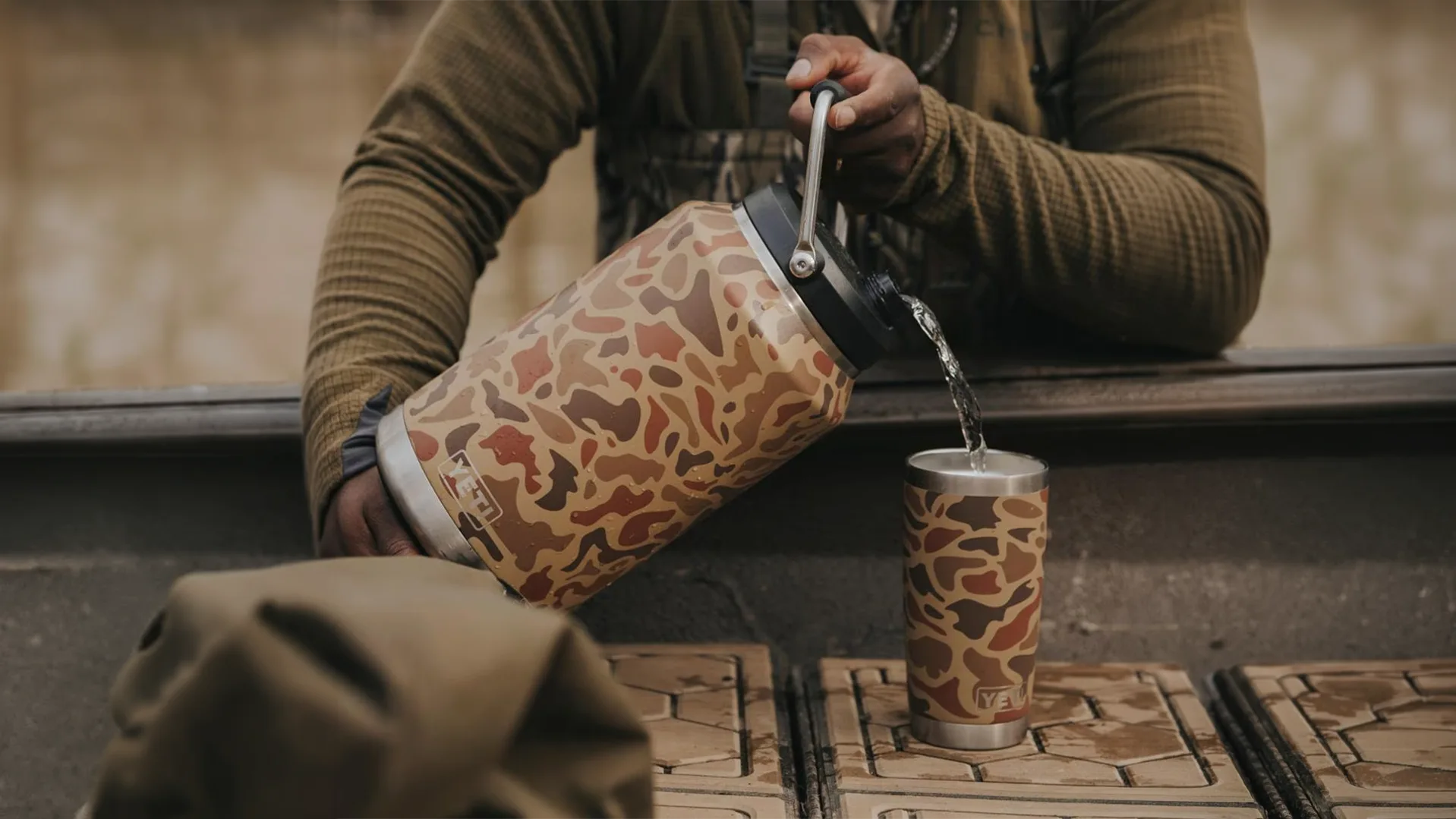
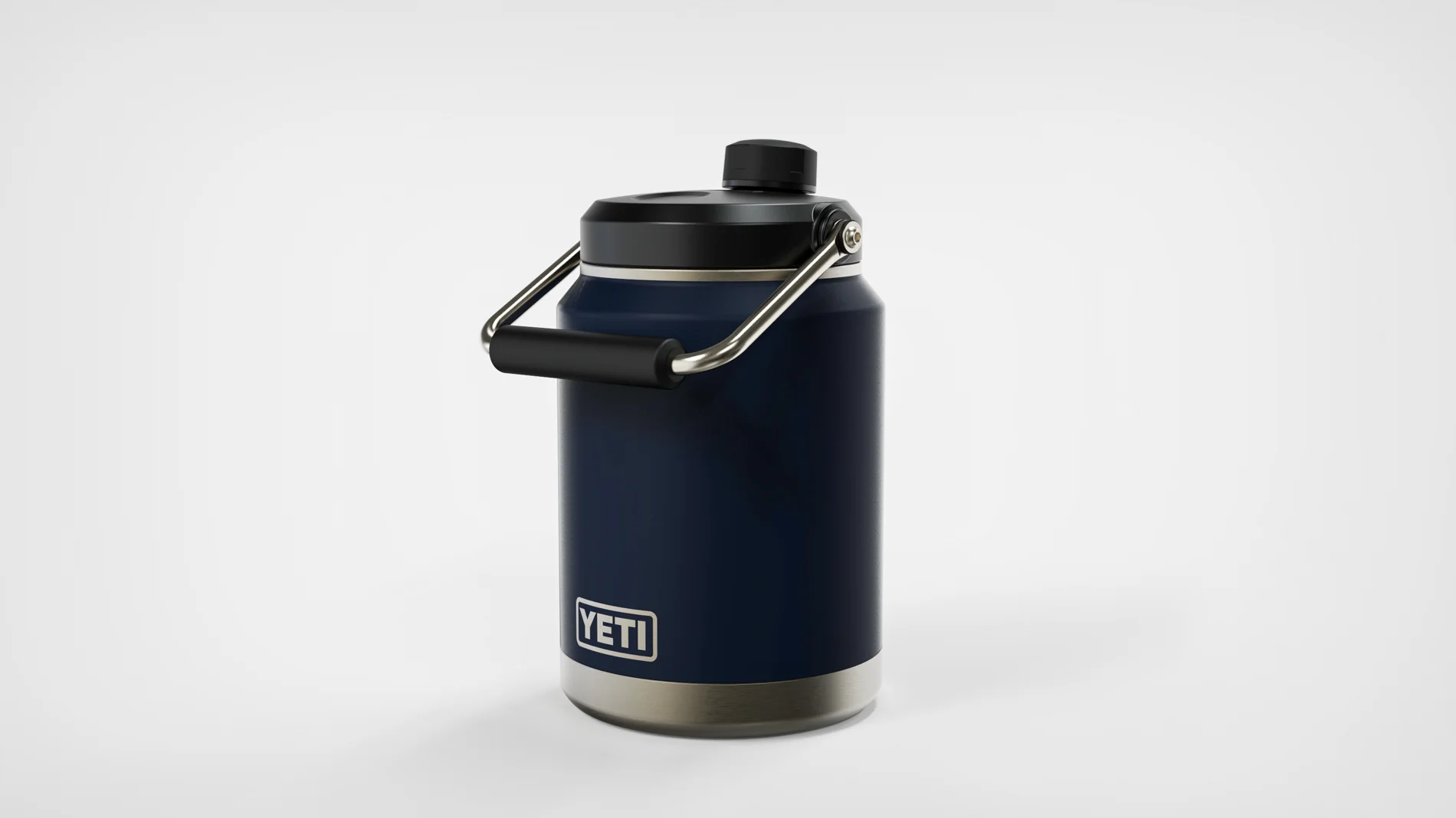
YETI partnered with Speck Design to evolve the Rambler® Half Gallon and Gallon Jugs—transforming a trusted product into a more refined, performance-driven experience. While the Rambler was already built to endure, our mandate was to elevate how it feels, functions, and pours in real-world use.
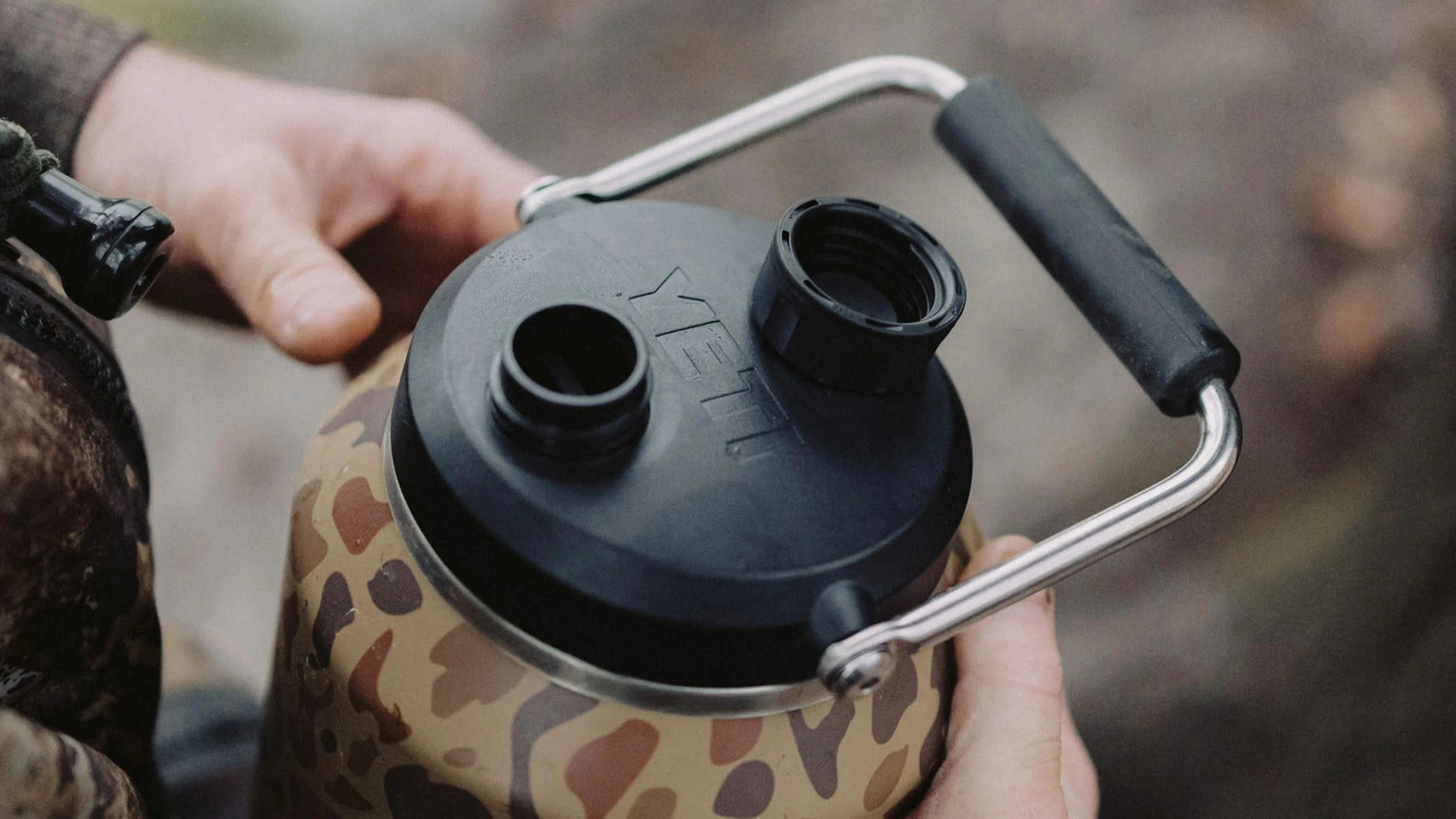
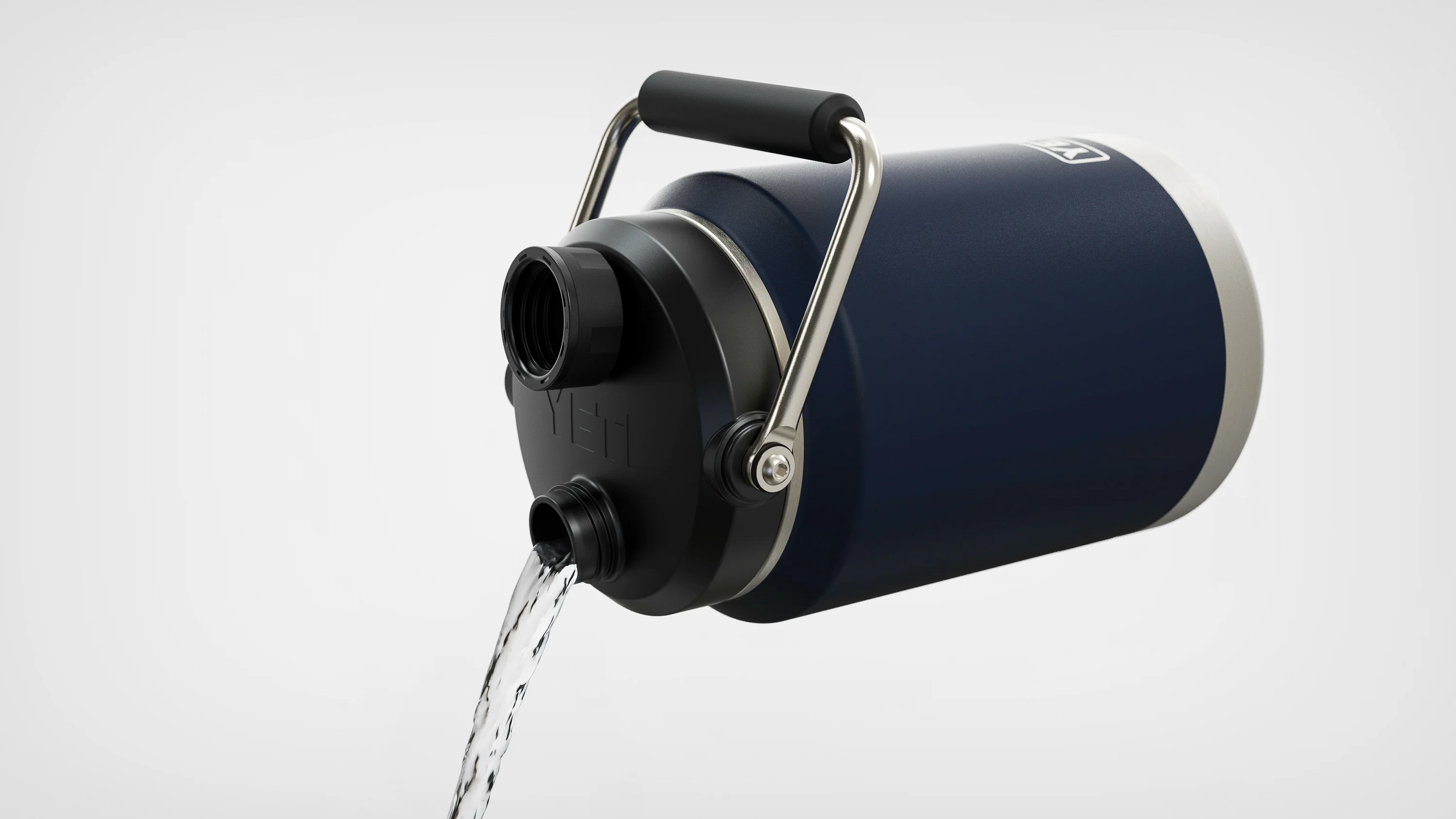
Our team approached the project holistically, examining not only the cap and gasket architecture but the vessel itself—refining proportions, interaction points, and structural considerations to reduce perceived weight and improve handling. We reimagined the sealing and venting experience to lower opening torque, enhance pressure control, and deliver a smoother, more controlled pour.
Through industrial design leadership grounded in engineering rigor, we delivered a cohesive redesign that strengthens performance, enhances usability, and reinforces YETI’s uncompromising brand promise.
Awards & Recognition


Industrial Design
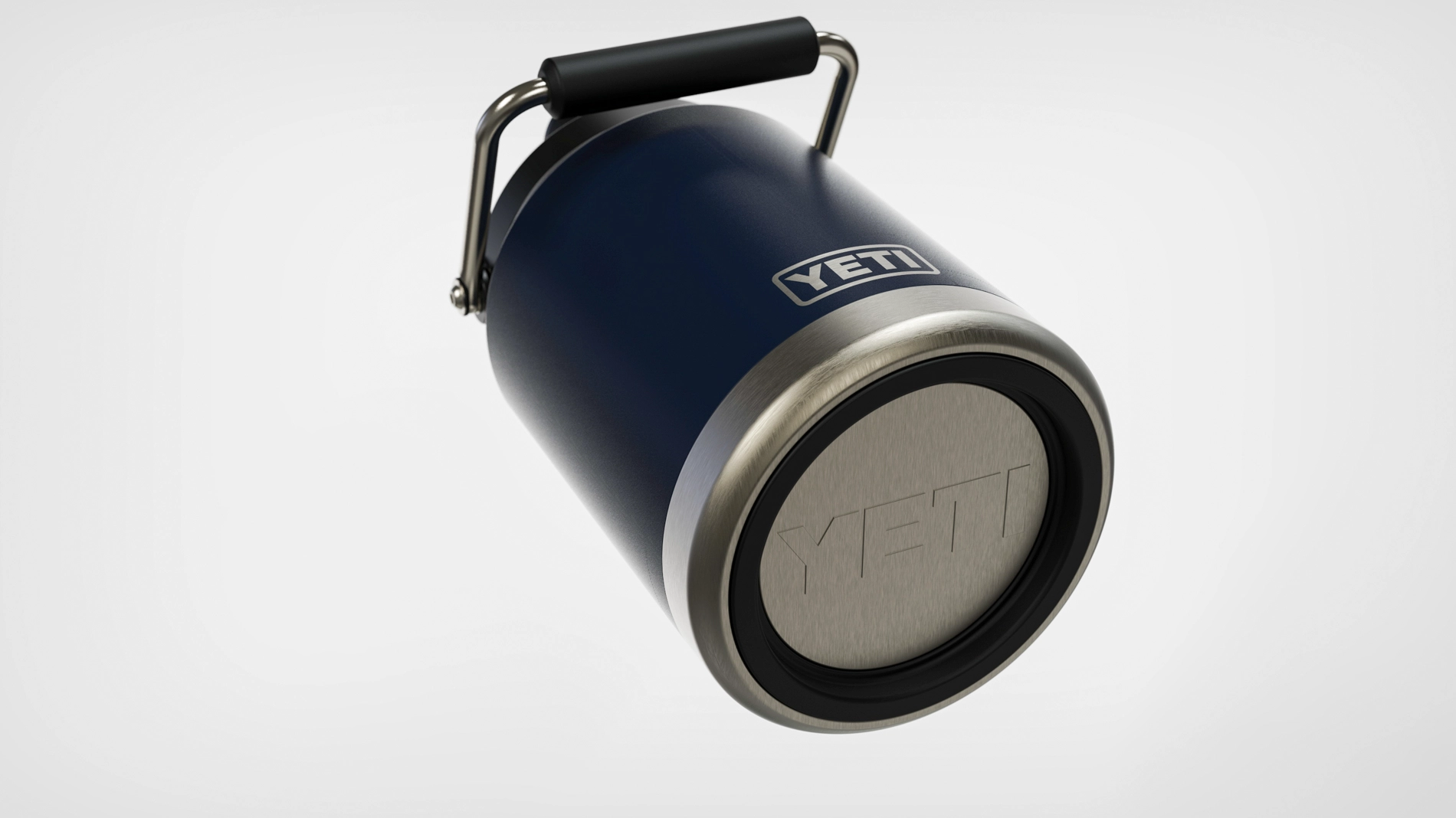
Our industrial design approach began with a full evaluation of the Rambler’s physical presence and interaction architecture. We assessed proportions, visual mass, grip zones, and handling posture to improve how the jug feels at rest and in motion. Subtle refinements to the vessel and cap geometry reduced perceived weight and improved balance during pour, while preserving the unmistakable ruggedness that defines YETI.
Rather than redesigning for the sake of change, we focused on intelligent evolution—strengthening the product’s stance, clarifying its form language, and enhancing tactile touchpoints. Every decision was guided by the belief that performance products should feel as refined as they are tough.
Mechanical Engineering
Improving torque, pressure regulation, and pour performance required a disciplined mechanical approach. Our team evaluated gasket geometries, material compression behavior, and venting strategies to reduce the force required to open and close the cap—without compromising YETI’s seal integrity or durability standards. Through structured testing and rapid iteration, we identified solutions that improved usability while maintaining pressure retention and long-term reliability.
Equally critical was engineering the solution for production. We assessed component geometry, tolerance strategy, material selection, and part interfaces to ensure the refined design aligned with manufacturing realities. By integrating performance engineering with production awareness from the outset, we delivered a mechanically robust system that performs better in the field and transitions cleanly into tooling and scale.
Human Factors & User Research
We studied how users grip, stabilize, carry, and pour the Rambler Jug across different use scenarios—from campsite tables to truck tailgates. Particular attention was given to torque comfort thresholds, hand positioning during pour, and minimizing disruptive “glugging” that interrupts liquid flow.
Observational testing and rapid iteration allowed us to refine grip geometry, torque targets, and pour dynamics based on measurable user feedback. By integrating human factors early and often, we ensured the final design performs naturally in the field—not just in theory.
Rapid Prototyping & Validation
Multiple prototype builds were used to test sealing behavior, torque reduction strategies, and pour performance under controlled conditions. We developed custom test setups to measure pressure performance and evaluate mechanical alternatives quickly and objectively.
This rapid validation process reduced risk and enabled informed decision-making at every milestone. Rather than relying on assumption, we tested, measured, and refined—ensuring that every improvement was substantiated by real performance data before advancing to final engineering documentation.