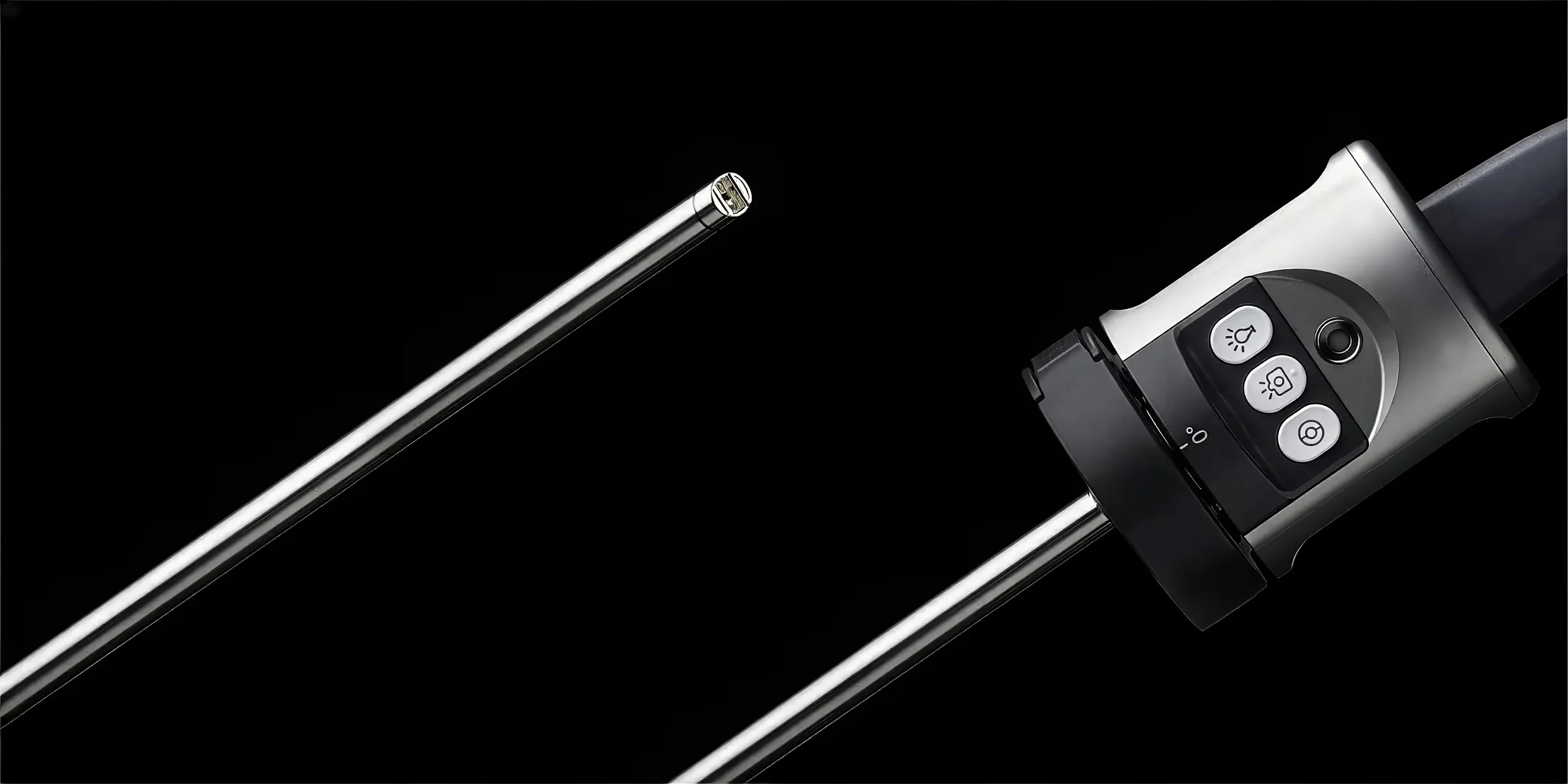
Endoscope prototype designed by Speck Design, on black

Medical devices

Medical Device Design and Engineering

Speck Design is a San Jose medical device design consultancy. We work inside your ISO 13485 quality system to take devices from clinical need to cleared product.

How we work

From first idea to production

A girl wearing a continuous glucose monitor looks out to sea

Designed around the people who use the device.

Capabilities

01

Medical device user research

Interviews, observation and usability studies with the people, workflows and environments that shape the device, setting design direction and your first use-related risk analysis.
02

Medical industrial design

Product architecture, ergonomics, form, CMF and product-family systems for devices that are cleaned, carried and used under pressure.
03

Human factors & usability

Formative studies, use-related risk analysis and summative validation run in-house to IEC 62366-1 and FDA guidance, written up for your usability engineering file.
04

Mechanical & electrical engineering

Mechanisms, enclosures, electronics and assemblies, prototyped and tested, with tolerance analyses, DFM reports and vendor-ready CAD behind your design outputs.
05

NPI + manufacturing transfer

DFM, supplier and contract-manufacturer collaboration, prototype and verification builds, documentation and first-article support through transfer.

Inside your regulatory process

Speck is a design and engineering partner, not the manufacturer of record. We work inside your ISO 13485 quality system and FDA 21 CFR 820 design controls and hand over the evidence a submission draws on.

Design inputs, user profiles and use-case maps formatted for your design history file.

Design rationale and review packages, plus usability engineering reports to IEC 62366-1.

Verification support: test plans, DFM reports, tolerance analyses and vendor-ready CAD. Your regulatory team files the 510(k), De Novo or PMA.
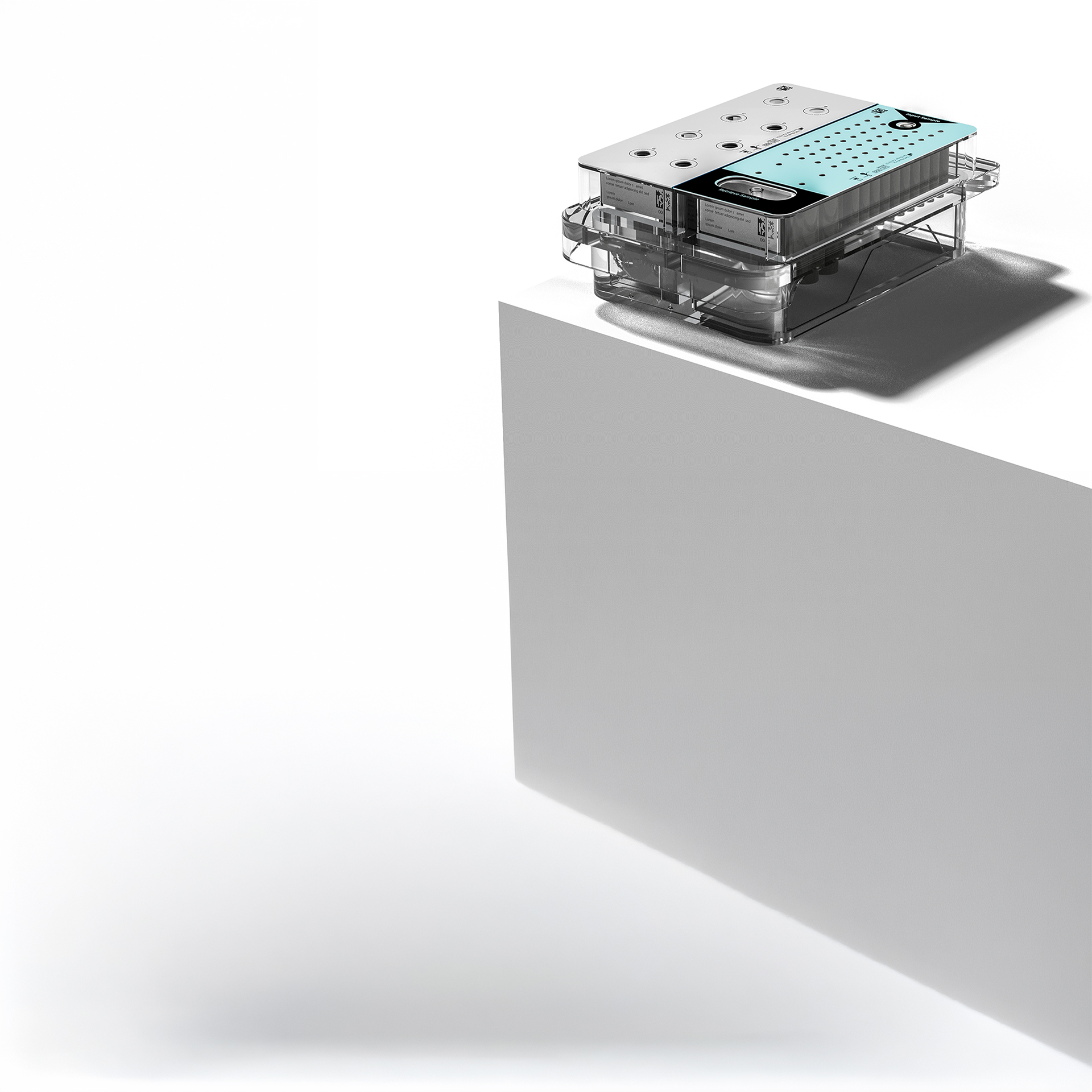
Rendering of a clear, multi-compartment lab consumable tray on a white plinth.

Device categories

Experience across connected medical device systems, from surgical hardware to patient-facing digital tools.

Surgical robotics

Diagnostics + imaging

Diabetes care

Surgical + interventional tools

Wearables

Remote monitoring

Lab + life-science instruments

Connected health

Why Speck

One team for industrial design, human factors, UX, mechanical and electrical engineering and NPI. Usability, cost and regulatory scope get decided together, not handed back to you.

Programs scoped in phases, each with a defined first deliverable.

Senior leads stay on the program from definition through transfer.

Physical device and its software interface designed by one team.

Rendering of a benchtop diagnostic instrument with a white upper housing and a black touchscreen base.
Inside Speck Design's studio, designers and engineers working side by side

From first concept to FDA‑cleared device.

Talk to a medical device design engineer.

Tell us where your program stands, from early concept to design verification. In a first call we walk through scope, risk and how we would work inside your quality system.

FAQ

Is Speck Design ISO 13485 certified?

Speck works inside each client's ISO 13485 quality system rather than holding its own certificate. Our requirements, design rationale, usability reports and verification documents are written to fit your design-control process and design history file, so nothing has to be re-formatted for a submission.

Does Speck run human factors and usability studies?

Yes, in-house. Formative usability studies during concept development, task analysis and use-related risk analysis, and summative (validation) studies before submission, following IEC 62366-1 and FDA human factors guidance. Reports are written for your usability engineering file.

Can Speck support a 510(k), De Novo or PMA submission?

We prepare the design evidence a submission draws on: design inputs, design rationale and review packages, usability engineering reports and verification support such as test plans and DFM reports. Your regulatory team files the submission; we support the questions that come back.

Which medical devices has Speck designed that reached the market?

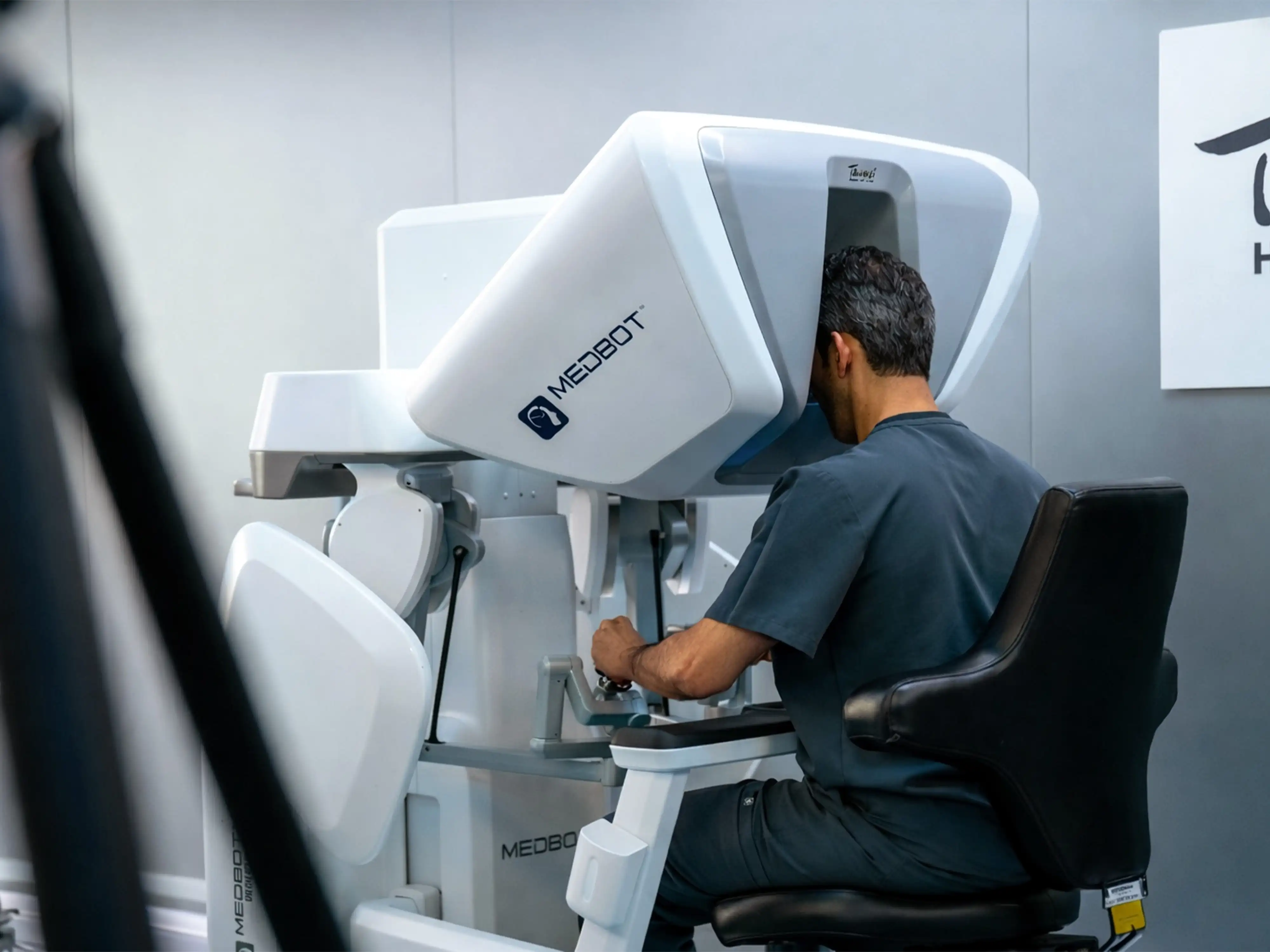
POGO, the first FDA-cleared automatic blood glucose monitor; the MicroPort Toumai surgical robot, NMPA-approved; Spectral MD's DeepView wound-imaging platform; and the Abbott Vascular stent delivery system, among others.

When should a medtech company bring Speck in?

At concept and product definition, or when a cleared device needs a usability, cost or manufacturing fix or a next-generation redesign. Earlier involvement lowers usability and design risk before design controls lock the requirements.

Does Speck work with startups or established manufacturers?

Both. Funded medtech startups moving from prototype to production, and established manufacturers refreshing a device family. Programs are scoped in phases with a defined first deliverable, and senior leads stay on the program from definition through transfer.

Keep exploring